
Pregnancy, labor, and postpartum massage in Harrisonburg, VA.
Why certification matters for perinatal massage
Pregnancy massage is not standard massage with a pillow added. The pregnant body undergoes profound physiological changes across all three trimesters, including shifts in blood volume and circulation, ligament laxity driven by the hormone relaxin, changes to the center of gravity and spinal curvature, increased demand on the cardiovascular and lymphatic systems, and heightened sensitivity of the nervous system. Working safely and effectively with a pregnant client requires specific knowledge of these changes, how they affect the body's response to pressure and positioning, and which techniques produce benefit versus risk at each stage.
It also requires knowing when not to work, and what to refer out.
Tai holds her Nurturing the Mother™ certification through Claire Marie Miller Seminars, widely recognized as one of the most rigorous and clinically grounded perinatal massage certification programs in the United States. This is not a weekend add-on course or an online module. It is a comprehensive training program that covers the physiology of pregnancy, trimester-specific contraindications, safe positioning and bolstering, labor support massage, and postpartum care.
She also holds her certification as an Educator of Infant Massage through the International Association of Infant Massage, the global professional body that sets the standard for infant massage education worldwide.
When you receive perinatal care at Refreshing Effects, you are working with someone who trained specifically for this, not someone who adapted their general practice.
Prenatal massage at Refreshing Effects Massage & Wellness
Pregnancy asks extraordinary things of the body over a remarkably short period of time. The structural changes alone, increased weight, shifted center of gravity, expanding uterus, loosened ligaments, compressed vessels, and elevated blood volume, create a physical experience that accumulates over months and frequently goes underaddressed. Most pregnant people are told to rest, to stay hydrated, and to manage discomfort with gentle movement. Few are told that certified therapeutic massage is one of the most effective evidence-supported interventions available for the specific physical burdens of pregnancy.
What prenatal massage addresses.
The physical discomforts of pregnancy are not inevitable in their severity. Many of the most common complaints respond meaningfully to skilled, certified prenatal massage:
Round ligament pain. As the uterus expands and the round ligaments stretch to accommodate it, sharp or aching pain in the lower abdomen and groin is common, particularly in the second trimester. Myofascial and soft tissue work around the abdominal and hip region reduces the tension on the round ligaments and provides meaningful relief.
Back and hip pain. Lumbar pain is among the most frequent complaints of pregnancy, driven by postural changes, weight redistribution, and the loosening effect of relaxin on the sacroiliac and lumbar joints. Therapeutic massage that addresses the posterior chain, the piriformis, the quadratus lumborum, and the hip rotators consistently reduces the severity of pregnancy-related back pain.
Leg cramping and swelling. Increased blood volume and venous pressure in the lower extremities during pregnancy create edema and cramping that disrupts sleep and general comfort. Lymphatic work and targeted massage of the calves and lower legs support fluid circulation and reduce cramping frequency and intensity.
Pelvic pressure and sciatic pain. As the baby descends, pelvic pressure and sciatic nerve irritation become increasingly common. Targeted soft tissue work around the piriformis and the posterior pelvic floor reduces the compressive load on the sciatic nerve and provides genuine relief, not just temporary distraction.
Rib and thoracic tension. As the rib cage expands to accommodate the growing uterus and support increased respiratory demand, tension in the intercostals and thoracic musculature creates a persistent ache that many pregnant clients describe as something they simply learn to live with. It does not have to be that way.
Sleep disruption from physical discomfort. Many clients find that their most significant benefit from prenatal massage is not relief of a single symptom but a cumulative reduction in discomfort that restores their ability to sleep. Sleep is, for many pregnant people, the resource they need most and lose first.
“Fantastic experience! I feel so much better afterwards. Tai is wonderful.”
— Happy Client

How prenatal massage at Refreshing Effects is different.
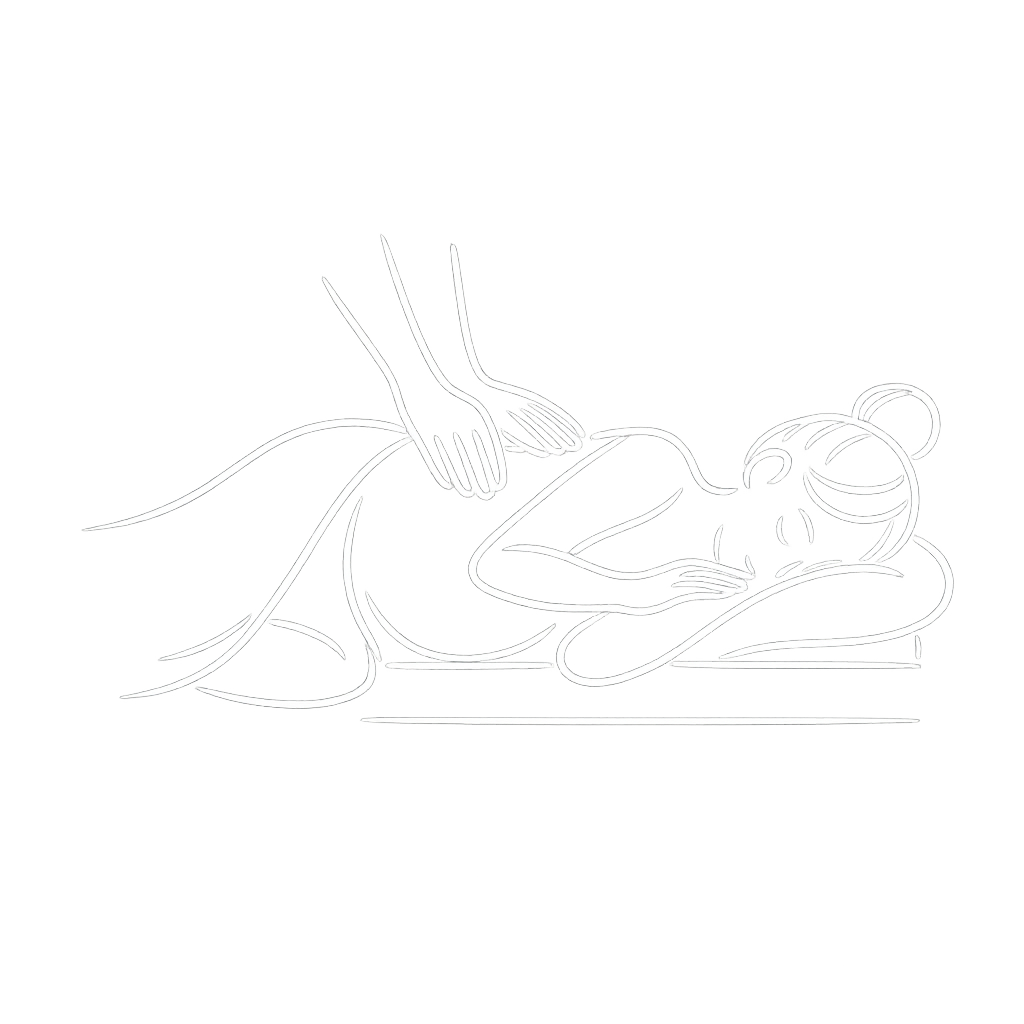
Most prenatal massage available in the Harrisonburg area is performed by therapists who have completed a brief prenatal add-on module as
part of their continuing education. That training is not the same as Tai's Nurturing the Mother certification.
The difference shows up in three ways.
First, clinical depth. Tai understands the physiological changes of each trimester and adjusts her approach accordingly. Second-trimester work is different from third-trimester work. Post-term work is different from early second-trimester work. She does not apply a single prenatal protocol uniformly. She responds to where the body is.
Second, safety knowledge. Tai knows which areas and techniques are contraindicated in pregnancy and why, and she maintains that knowledge current through ongoing continuing education. This is not about being overly cautious. It is about working confidently within an evidence-based framework rather than improvising.
Third, the relationship over time. Many of Tai's prenatal clients have been seeing her through multiple pregnancies over the years. She knows their bodies, their histories, and their patterns. That continuity of care produces a depth of clinical attentiveness that a first-time prenatal visit at any practice cannot replicate.
Maternal Massage Session details and rates.
Prenatal massage at Refreshing Effects is available for clients in their second and third trimesters. First-trimester clients are assessed individually. Please contact Tai directly to discuss appropriateness for your specific situation before booking.
All prenatal sessions include a clinical intake reviewing your pregnancy history, current symptoms, and any relevant medical context. Positioning is adapted specifically for your trimester and comfort. Sessions are by appointment only.
75-Minute Massage -$110
Learn more about packages and memberships or check out our other services here.
“Tai is amazing! She knows her stuff, and you feel so much better after going to her!”
— Happy Client
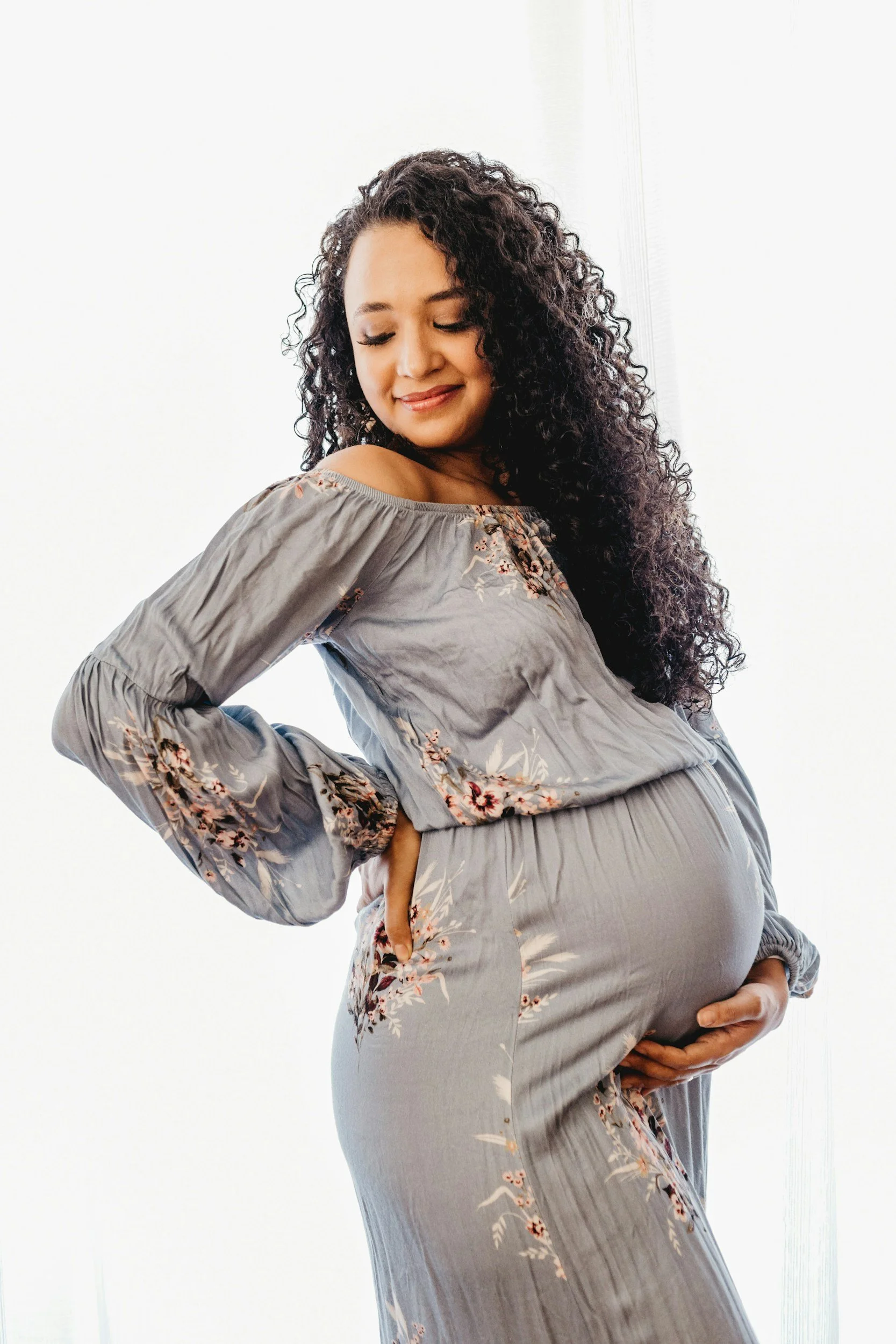
Maternal Support & Infant Massage Education
Active labor support.
Of all the services at Refreshing Effects, active labor support is the rarest and, for the clients who have used it, among the most significant.
Most people enter labor with some kind of pain management plan. Epidurals are common. Nitrous oxide, movement, water immersion, and breathing techniques all play a role. What is far less commonly considered, even by parents who have done extensive birth preparation, is skilled massage during active labor.
What the research says.
The evidence for massage during active labor is meaningful. Multiple clinical studies have found that massage during labor reduces subjective pain perception, decreases anxiety and cortisol levels, shortens the duration of the first stage of labor in some populations, and reduces the need for pharmacological pain intervention. A 2017 systematic review published in the journal PLOS ONE found that massage significantly reduced labor pain and anxiety across multiple randomized controlled trials.
These results make physiological sense. Labor is an experience of sustained physical intensity that activates the sympathetic nervous system. Skilled touch activates the parasympathetic nervous system, releases oxytocin, and provides a competing sensory input that reduces the experience of pain at the neurological level. The effect is not a placebo. It is measurable.
Tai is certified in active labor support through her Nurturing the Mother training. She has attended labor in the Harrisonburg area and brings both the clinical skill and the calm, steady presence that this work requires.
How to plan ahead.
Active labor support requires advance planning. Tai asks that clients who are interested in this service contact her at least two weeks before their due date, and ideally in the third trimester, to discuss logistics, availability, and expectations.
Because labor timing is inherently unpredictable, this service works best when both client and practitioner have discussed the full range of scenarios in advance and have a clear plan for communication when labor begins. Tai will be honest with you about her availability and any limitations so that you can plan realistically.
Rate: $110 per 75 minutes. Advance consultation required. Please contact Tai directly to discuss.
Postpartum massage.
The fourth trimester is, in many respects, the period when the most is asked of the body and the least support is typically offered.
Birth is a profound physical event regardless of how it unfolds. Vaginal birth places extraordinary demands on the pelvic floor, the abdominal musculature, the sacroiliac joints, and the soft tissue of the perineum. Cesarean section involves major abdominal surgery with a recovery process that is frequently underestimated by both parents and the medical system. And then, immediately following this event, the same body that just accomplished something remarkable is asked to sustain another human being around the clock while surviving on broken sleep.
The postpartum body deserves skilled, attentive care. Therapeutic massage is one of the most direct ways to provide it.
What the postpartum body is carrying.
The physical demands of new parenthood layer on top of the physical experience of birth in ways that accumulate quickly:
Birth recovery. Whether vaginal or surgical, birth creates tissue trauma, hormonal shifts, and musculoskeletal reorganization that the body needs support to navigate. The uterus, the pelvic floor, the abdominal wall, and the surrounding connective tissue are all undergoing significant change in the weeks after birth.
Feeding posture. Whether breastfeeding or bottle feeding, new parents spend extraordinary amounts of time in a sustained forward flexion posture, shoulders rounding, neck flexing, and thoracic spine compressing. The cumulative strain of this posture over weeks of around-the-clock feeding produces a distinct pattern of upper back, neck, and shoulder tension that Tai sees consistently in postpartum clients.
Carrying and lifting. Lifting, carrying, and transferring an infant dozens of times a day places repetitive strain on the wrists, forearms, shoulders, and lumbar spine. This is particularly significant for parents recovering from cesarean section, where the abdominal musculature is simultaneously trying to heal from surgery and compensate for the demands of caring for a newborn.
Sleep deprivation in the body. Sleep deprivation has measurable effects on the musculoskeletal system, including increased pain sensitivity, elevated cortisol, and reduced tissue repair capacity. The body of a sleep-deprived new parent is a body that is healing more slowly and hurting more than it otherwise would.
Postpartum massage addresses all of these layers, working with what the body actually needs in the moment rather than following a fixed protocol.
When to start and what to expect.
Most clients are ready for postpartum massage two to four weeks after vaginal birth and four to six weeks after cesarean section. These are general guidelines rather than fixed rules. Tai discusses each client's specific birth experience, recovery, and current physical presentation before scheduling, and she recommends physician clearance before the first postpartum session.
The first postpartum session tends to be an assessment as much as a treatment. Tai wants to understand what the birth experience was like, how recovery is going, what is holding the most tension, and what the client most needs in that particular moment. Some postpartum clients come in needing focused work on a specific area. Others need the first hour of stillness and care they have had since the baby arrived. Both are valid. Tai meets each client where she is.
Postpartum massage is available from the early postpartum period through the full first year and beyond. There is no expiration date on postpartum care. Many of Tai's postpartum clients continue seeing her as their primary therapeutic massage practitioner long after the acute recovery phase has passed.
Rate: 75 minutes, $110. By appointment only. Physician clearance is recommended before the first postpartum session.
Infant massage instruction.
Infant massage is not something Tai performs on your baby. It is something she teaches you to do.
As a Certified Educator of Infant Massage through the International Association of Infant Massage, the global professional body that has trained infant massage educators in over 70 countries, Tai provides private parent-and-baby instruction sessions that leave families with a daily practice they can use from that session forward.
What parents learn.
The International Association of Infant Massage's approach to infant massage education is structured, evidence-based, and designed specifically to be accessible to parents with no prior bodywork training. Tai teaches the following in a 45-minute private session:
The principles of infant-led touch. Effective infant massage begins with learning to read your baby's cues for readiness and engagement. Tai teaches parents to recognize when their baby is receptive and when to pause, a skill that has value far beyond massage and forms the foundation of attentive infant communication.
Specific massage strokes and sequences. Tai teaches a series of strokes and sequences appropriate for the baby's age and development, covering the legs, feet, abdomen, back, face, and head. Each stroke has a specific developmental or physiological benefit, whether that is supporting digestion, encouraging relaxation, relieving gas discomfort, or promoting neurodevelopmental integration.
Techniques for common infant discomforts. Colic, gas, constipation, and teething pain are among the most distressing common experiences of early infancy. Tai teaches specific techniques that provide meaningful relief for each of these, giving parents something concrete and effective to do in the moments when their baby is most uncomfortable.
Bonding through intentional touch. The research on skin-to-skin contact and intentional touch in infancy is extensive and unambiguous. Touch supports neurological development, regulates the infant's nervous system, promotes weight gain in premature infants, and deepens the bonding relationship between parent and child. Infant massage gives parents a structured, daily practice for providing this intentional touch.
Parents leave the session with written reference materials and the confidence to practice at home. Many incorporate infant massage into their baby's daily routine and continue through the first year.
Rate: 45 minutes, $85. Appropriate for newborns through 12 months. Can be combined with a postpartum session for the parent.
Questions before getting started? Learn more:
-
First trimester massage is a nuanced clinical question. The risk of miscarriage is statistically higher in the first trimester, and while there is no evidence that massage causes miscarriage, many certified perinatal practitioners, including Tai, approach first trimester work conservatively. She assesses each client individually, reviews their pregnancy history and current medical context, and discusses what is appropriate for their specific situation. She does not decline first trimester clients categorically, but she does not accept them without a direct conversation first. Please contact her before booking if you are in your first trimester.
-
A physician's note is not required for most prenatal massage clients. Tai reviews your health history and pregnancy details at intake and will advise if she believes physician clearance is warranted for your specific situation. If your pregnancy has been classified as high-risk or you are managing a complication, she may request documentation or a referral from your care provider before proceeding.
-
No. Tai uses side-lying positioning adapted specifically to your stage of pregnancy and comfort. She does not use a pregnancy cushion system that creates a hole for the abdomen and allows clients to lie face down, a practice that is not supported by evidence and can create undue pressure on the round ligaments. Side-lying positioning, properly supported with bolsters, is the standard of care in certified perinatal massage and the approach Tai uses.
-
Yes. Breastfeeding is not a contraindication for postpartum massage. Tai is aware of the considerations relevant to breastfeeding clients, including positioning comfort and the timing of sessions relative to feeding schedules. Many breastfeeding clients find that therapeutic massage meaningfully reduces the upper back and neck tension that accumulates from feeding posture and that it supports their overall postpartum recovery.
-
Premature and NICU graduates often benefit enormously from infant massage as they transition home, but the approach requires specific adaptation for their developmental stage and sensory threshold. Tai can discuss your specific situation and adapt the infant massage instruction session accordingly. Please contact her before booking so she can prepare appropriately.
-
Yes, and it is encouraged. Infant massage is most beneficial when it becomes a shared daily practice in the family. Partners, grandparents, and other primary caregivers are all welcome in the infant massage instruction session. The more people who learn the techniques, the more consistently your baby benefits from them.
Perinatal massage near Harrisonburg and the Shenandoah Valley.
Refreshing Effects is located at 1171 S. High St., Suite 110, in Harrisonburg, Virginia, serving clients throughout Harrisonburg, Rockingham County, Augusta County, Staunton, Waynesboro, Bridgewater, Broadway, Elkton, and surrounding communities across the Shenandoah Valley.
Certified prenatal massage, active labor support, postpartum care, and infant massage instruction of the depth and clinical specificity offered at Refreshing Effects is genuinely rare in this region. Most practitioners who offer pregnancy massage in the Harrisonburg area have completed a brief prenatal training module rather than a full certification program. Parents who have searched for prenatal massage near Harrisonburg, postpartum massage near me, or an infant massage therapist in Virginia consistently find that Tai's certifications and clinical experience represent a level of perinatal care that is not widely available locally.
New perinatal clients are accepted on a limited basis. If you are planning around a due date or an expected return to activity after birth, reaching out well in advance is recommended.
Book your session in Harrisonburg.
Whether you are in your second trimester, planning for labor, newly postpartum, or looking to learn infant massage for your baby, Refreshing Effects offers the certified, clinical perinatal care that the Shenandoah Valley area does not have enough of.
New clients are welcome. Availability is limited. For active labor support, please contact Tai directly rather than booking online so she can discuss logistics with you personally.